Review: Simple Green Leaf Embroidery Design
As an embroidery designer who spends countless hours digitizing and testing patterns, I approach every new machine embroidery design with a critical eye. It is not just about how it looks on the screen; it is about how it performs in the real world. Recently, I evaluated the Simple Green Leaf Embroidery Design with a specific goal in mind: preparing my inventory for an upcoming weekend craft fair. For those of us running small shops or Etsy stores, the difference between a design that sits on the shelf and one that flies off the table often comes down to versatility and visual impact.
First Impressions and Aesthetic Appeal
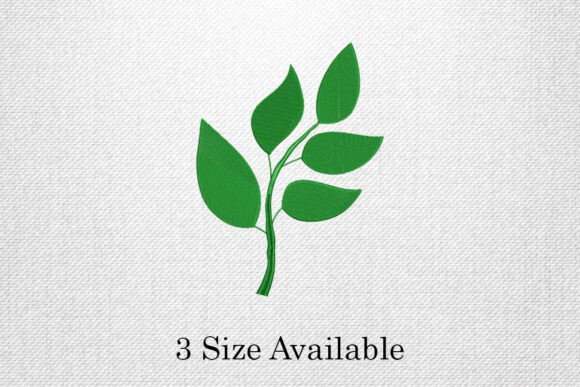
The first thing that strikes you about this pattern is its clean, modern aesthetic. In a market saturated with overly complex floral arrangements, there is a refreshing quality to minimalism. This design falls squarely into the Single Flowers Plants category, but it avoids the clutter. The lines are crisp, and the leaf shapes feel contemporary rather than traditional or rustic. This makes it an incredibly flexible asset for a wide range of customers.
When I imagine this stitched out, it does not scream "farmhouse" or "vintage." Instead, it feels premium and soft. It has a quiet elegance that appeals to buyers looking for understated home decor or chic wearable art. For a craft fair booth, this is crucial. You need items that catch the eye without overwhelming the viewer. The simplicity of the leaf allows the texture of the thread and the quality of the fabric to take center stage, signaling high-end handmade quality.
Versatility Across Product Lines
The true test of any digital embroidery file is its adaptability. I mentally placed this design on various products I plan to sell, and the results were promising. Here is how I see it performing across different categories:
- Tote Bags and Market Bags: This is perhaps the strongest application. A large-scale version of the leaf on a canvas tote creates a striking tote bag design. It is bold enough to be seen from a distance but simple enough to remain stylish.
- Aprons and Tea Towels: For kitchenware, placement is key. On an apron, a single leaf on the pocket or chest area adds a touch of nature without being distracting. For tea towel embroidery, the clean lines work well against textured linen, provided the stitch density is adjusted to prevent puckering.
- Caps and Hats: Curved surfaces are tricky. However, because this design features modern leaf shapes with likely moderate density, it should sit well on a cap front. It avoids the bulk that causes stiffness in headwear.
- Embroidered Patches: Creating cut-out patches is a huge trend. This design would make an excellent embroidered patch that customers can iron onto denim jackets or backpacks, expanding your product range without needing new digitization.
- Pillow Covers and Pouches: As a focal point on a neutral pillow cover, it adds organic warmth. For small pouches, it serves as a delicate accent that elevates the perceived value of the item.
Production Practicality for Small Shops
For any Etsy seller or craft fair veteran, time is money. Batch production is the only way to maintain healthy margins. The Simple Green Leaf Embroidery Design appears highly suitable for this workflow. Because it lacks intricate, tiny details that require frequent thread changes or slow stitching speeds, it is likely efficient to produce. This efficiency allows you to create more finished product inventory in less time.
Furthermore, the design photographs beautifully. In online listings, clarity is king. A design with clean lines translates well into digital images, making it easier to create compelling printable mockup assets for your shop. When customers can clearly see the stitch quality and shape in photos, conversion rates tend to improve. It is a reliable craft fair product because it is instantly understandable. A customer walking by your booth does not need to squint to figure out what it is; the natural beauty is immediate.
Critical Considerations and Careful Use
While the design is versatile, professional judgment requires acknowledging potential pitfalls. No embroidery file is universal without adjustments. Here are the technical aspects I would scrutinize before committing to a large production run:
- Stitch Density and Fabric Texture: If you are using thick fabrics like heavy canvas or textured towels, ensure the stitch density is not too high. High density on thick fabric can cause perforation or stiffening. Always test on scrap fabric first.
- Thread Contrast: Since the design relies on shape, thread choice is vital. On dark fabrics, ensure you use a contrasting thread color so the leaf shape remains visible. On light fabrics, a tonal green can look sophisticated, but a slightly darker shade may provide better definition.
- Hoop Size and Placement: Confirm the recommended hoop size for the specific file version you purchase. If you intend to stitch it on a small pouch, ensure the design scales down without losing clarity. Tiny details can get lost if the design is shrunk too much.
- Stabilizer Selection: Use the right stabilizer for your fabric type. For stretchy fabrics like T-shirts, a cut-away stabilizer is often necessary to prevent distortion, whereas tear-away might suffice for woven cottons.
Enhancing Brand Consistency and Value
Incorporating this design into your lineup can strengthen your brand identity. If your shop focuses on nature-inspired or minimalist goods, the Simple Green Leaf Embroidery Design reinforces that message. It contributes to a cohesive booth display where every item feels part of a collection rather than a random assortment. This consistency builds trust with buyers and encourages multiple purchases.
Moreover, the perceived value of a handmade product is heavily influenced by the neatness of the embroidery. Designs with clean lines and modern shapes often look more "designed" and less "homemade" in the negative sense. They signal that the maker has an eye for current trends. This can justify a higher price point, moving your items from impulse buys to considered purchases.
Final Designer Notes
Before you load this into your machine for commercial production, take these final steps. First, always check the license terms. Ensure you have the rights for commercial embroidery if you plan to sell the physical items. Second, create at least one real mockup on your intended fabric. Screen colors do not always match thread colors, so seeing the physical result is non-negotiable. Finally, compare how it looks on different fabric colors. A design that pops on white might disappear on black, so adjust your thread palette accordingly.
The Simple Green Leaf Embroidery Design is a strong contender for any maker looking to expand their design assets. It balances aesthetic appeal with production practicality, making it a smart choice for both online shops and physical markets. By paying attention to fabric texture, stabilizer choice, and placement, you can turn this simple digital file into a standout bestseller.